Material security
Economic stability, housing availability, financial security and ability to handle economic shocks.
How to strengthen it
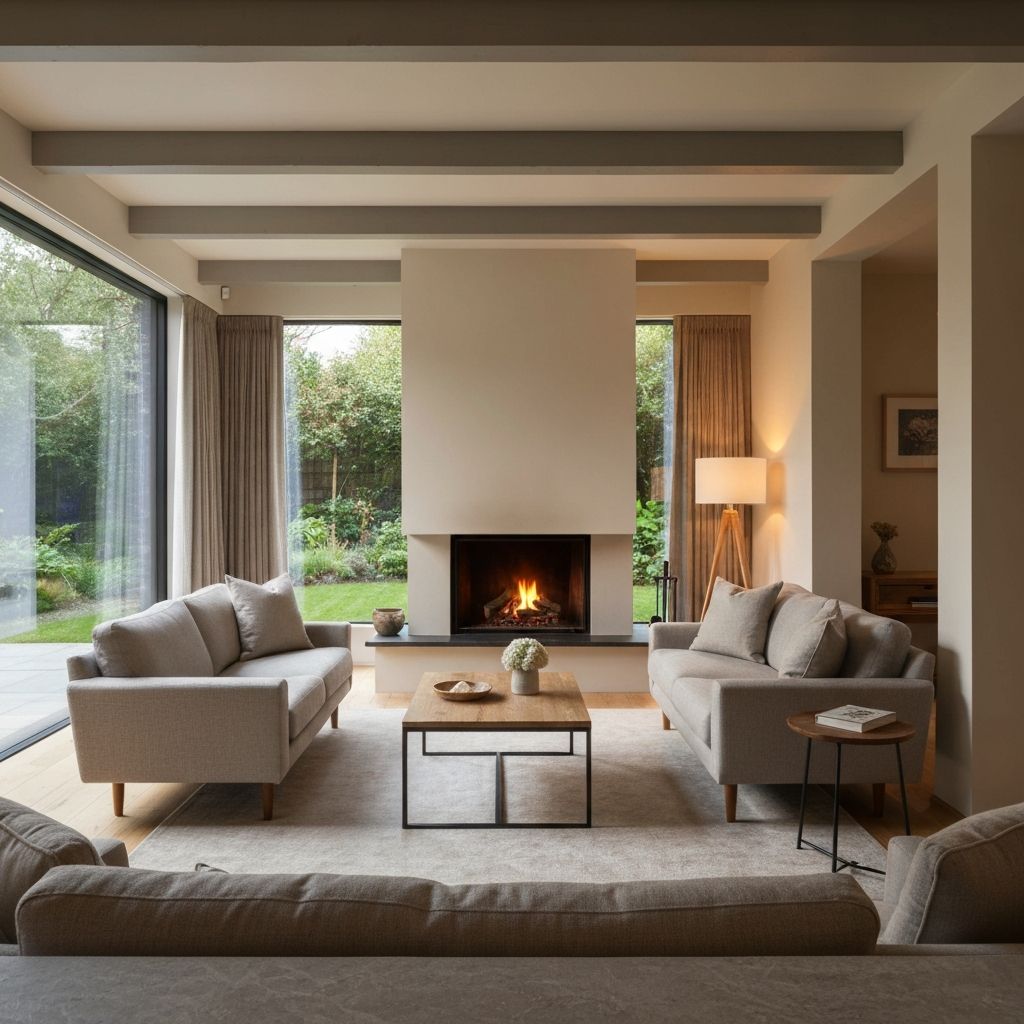
Building material security does not start with big steps, but with gaining a clearer picture of your own situation. The foundation is knowing what you live on, what a normal month costs and how much space you have between essential expenses and income. Only from this overview can you identify where your vulnerability lies and what makes most sense to change first.
An important shift is in how you think about a financial buffer — not as something you allow yourself to build only when there is plenty left over, but as a normal part of functioning. For some it will be a smaller amount, for others larger; what matters is that there is a separate space for situations when something goes wrong, and that it is not drawn on for every ordinary fluctuation. Even a small but steadily growing reserve can change the experience of setbacks: it is not only about how much money is in the account, but about knowing you have at least some time to respond.
It also makes sense to look at housing not only as a place you want to live, but as a commitment you must be able to sustain. Building this dimension can mean getting realistic about what you can actually afford, and gradually adjusting the standard or structure of costs so that housing does not consume the majority of your resources. Sometimes a small change is enough; sometimes it is a larger decision. The key is not to see ideal housing as something that must be preserved at any cost, even if it keeps you permanently on the edge.
Material security is also connected to how much you can provide for yourself directly. This need not mean large projects, but small steps: some food from your own sources, basic equipment and skills for everyday repairs, a household prepared for a short-term service outage. The point is not to do everything by yourself, but to reduce dependence on everything always functioning from the outside. Even a small degree of self-sufficiency often brings greater peace of mind than its actual size would suggest.
Next dimension · 06
Skills & knowledge
Competencies needed for life in modern society: professional, digital, communication and practical.
Go to dimension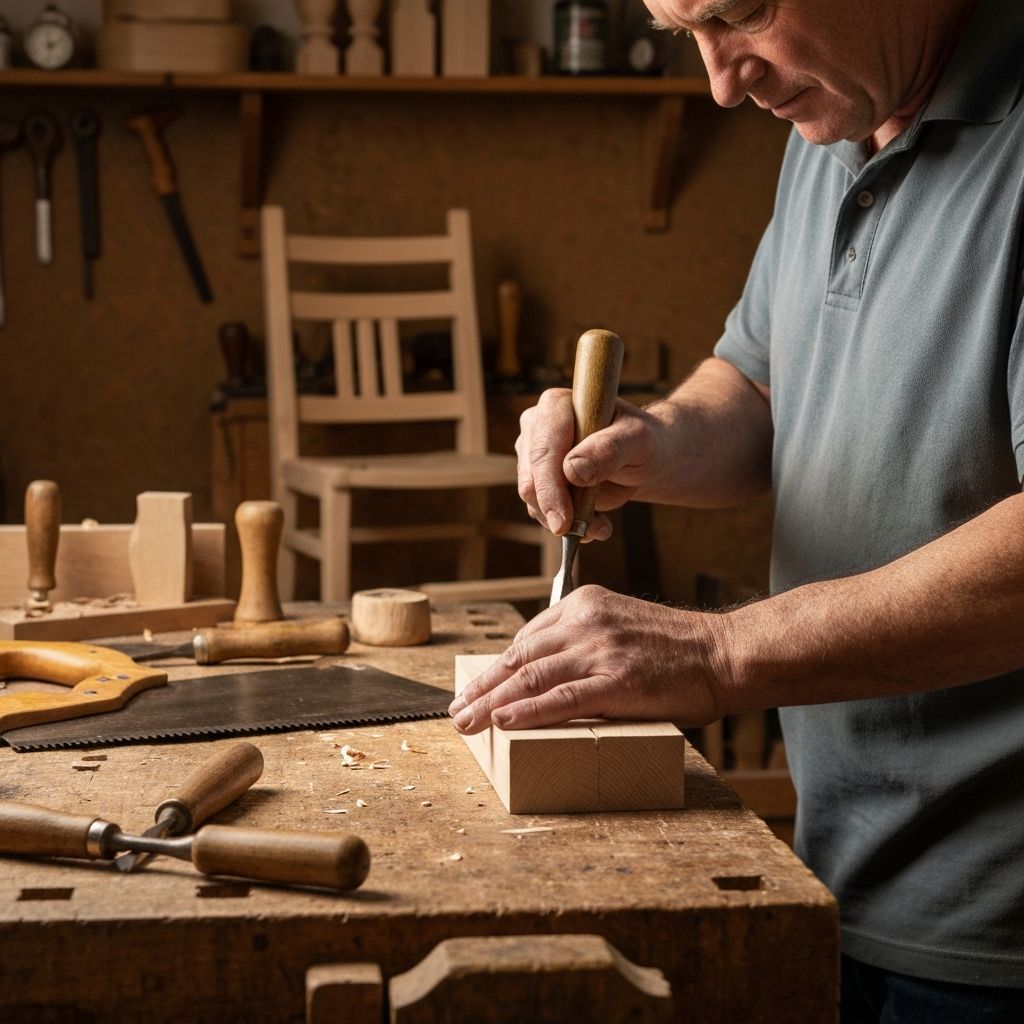
A significant area is work and income. The resilience of this dimension grows with how transferable your skills are across different environments, how diverse your professional contacts are and how adaptable your way of working is to changing conditions — a different place, a different form of collaboration, a different schedule. For some this means learning new things; for others, considering a secondary income source or maintaining relationships that could be a gateway to different work if needed.
Part of building material resilience is also mobility — the practical question of how you get to where you need to be: work, family, a base outside the city, your own resources. What happens when a car is not available, when transport is restricted, when you need to commute somewhere else? This can be strengthened gradually — by trying other ways of travelling, maintaining fitness, looking after practical things like the state of a bicycle or simply knowing which connections run from where. Mobility is part of material security precisely because it determines whether you can make use of the options you have in other areas.
Finally, it matters how quickly and in what order you respond when the situation changes. A significant income drop, higher costs or unexpected expenses often cannot be controlled. What can be controlled is the moment you begin adjusting your way of functioning. The sooner you acknowledge that things are no longer as they were, the more options you have — what to reduce, what to defer, where to cut costs, what to keep as a priority. Building the material dimension is therefore not a one-off action, but a continuous tuning of life so that it functions not only in an ideal year, but also in the harder ones.
Practical tips
Ten key tips
- 01
Know your essential monthly costs.
- 02
A reserve is part of your functioning, not an exception.
- 03
Your housing is set realistically.
- 04
You are not dependent on a single source of income.
- 05
You have a plan for a worse scenario.
- 06
You have some degree of practical self-sufficiency.
- 07
There is a realistic alternative base for you.
- 08
Your mobility is not fragile.
- 09
You distinguish between comfort and real stability.
- 10
Your material foundation gives you room to decide, not just react.
05 — Material security